


Pinang, Indonesia 2025 – A Retreat Like No Other
 The moment the boat skimmed across turquoise waters and Pinang appeared on the horizon, we all fell silent. Palm trees leaned out over the sea as if to wave us in, and the first glimpse of our little bungalows, peeking through the green, made the two-day journey suddenly worth every step. We had arrived in paradise — wild, raw, and breathtaking.
Getting there was no small feat: two long flights, an overnight hotel stay, another flight, a two-hour drive over potholed island roads, and finally a sail across open waters. By the time we climbed aboard the boat, exhaustion was real — but then came Captain and Bobby, the island’s local host, beaming with warmth and generosity. Their welcome swept away our tiredness. Nothing, though, could truly prepare us for stepping onto Pinang’s white sands.
Our home for the next 10 nights was a collection of simple yet stunning bungalows, just metres from the shore. Each one was unique: bamboo floors, driftwood-framed beds, lampshades woven from fishing nets, and shells bigger than our hands carved into sinks. At night, we fell asleep to the sounds of crashing waves, rustling palms, crabs scuttling in the sand, and the occasional four-legged visitor bold enough to poke around the porch. Yes, there were mosquitoes. Yes, it was rustic. But that was the beauty — nothing between us and nature.
It took a couple of days, but soon we melted into island life. We rose with the sun for our first yoga session of the day, two spacious hours of movement and breath that left us open and awake. Afterwards, breakfast was a feast of eggs, porridge, and endless papaya, pineapple, and dragon fruit. With no bread, dairy, or wheat in sight, our bodies quickly felt lighter, clearer. Days drifted between massages with Agous, one-to-one yoga or KORE Therapy sessions, reading in hammocks, wandering barefoot across sand, or simply gazing at the sea from the shala.
Lunch came mid-afternoon — colourful plates of snacks and sweet treats — and later we gathered again for afternoon practice. These sessions were slower and softer: Yin yoga, yoga nidra with cacao, playful partner yoga, and even a muscle-testing workshop. As the sun sank into the horizon, we wrapped ourselves in long sleeves and socks to shield from the island’s most persistent residents: mosquitoes. Dinner was always an event, each meal fresh, nourishing, and different from the last. Mami, our local cook and her team, worked their magic with freshly caught fish, fragrant vegetables, crunchy pakoras, rich soups, and bright salads. Within days, we were glowing from the inside out.
Pinang wasn’t always gentle. The weather shifted constantly — one moment heavy storms with lightning splitting the sky, the next clear sunshine. Nights could be unexpectedly cool, days wildly humid. Waves pounded the shore, rain soaked us as we moved between bungalows and the yoga shala, and yet… this unpredictability became its own teacher. We learned to accept what we couldn’t change, to laugh when the skies opened, to let go of control. A true lesson in Buddhist acceptance.
We took to the sea twice during our stay. One day we explored the surrounding islands, swimming from the boat to a deserted coconut island, shells crunching beneath our feet as we discovered fish the colour of jewels darting through the shallows. Dolphins appeared, racing the bow of our boat, leaping through sunlight. Another stop and we peeked into a neighbouring tourist resort — comfortable, yes, but nothing compared to the wild magic of Pinang. We knew where home was.
The jewel of the retreat came on our final day, as we set out on an adventure to a deserted tropical island — a sanctuary where turtles come to lay their eggs, protected and cared for by a small team of dedicated rangers. Our journey began in darkness, trekking through the jungle to the chorus of night creatures, the Milky Way above us spilling a thousand stars to light the path. By sunrise, we stepped onto a beach so magical it took our breath away. There, we were greeted by Popeye the resident crocodile, and witnessed the tiniest of miracles: baby turtles hatching and bravely making their way to the call of the ocean. With fresh coconuts in hand and the sound of huge waves crashing at our feet, it felt like time had paused — a once-in-a-lifetime moment none of us will forget.
By the end, the island had woven itself into us. Pinang was more than a destination — it was a mirror, stripping life back to simplicity, connection, and joy. We came as travellers and left as a tribe, carrying with us the rhythm of the waves, the taste of fresh fruit, and the laughter of evenings spent barefoot in the sand.
Pinang stole my heart. And though few ever set foot on her shores, her magic now travels wherever we go.
Could you see yourself retreating here with me? If so, send me a message quick and let's make it happen.
If you'd like to retreat with me in 2026, we are headed to Morocco (to an all new hotel/city destination) in May, and Sri Lanka in November. Check out the Retreats page or send me a message for more details. Spaces always sell out fast!


The Importance of Blood Work on Your Fertility Journey
The Importance of Blood Work on Your Fertility Journey
When embarking on a fertility journey, understanding your body’s inner workings is a critical first step. Blood work offers a comprehensive window into hormonal balance, nutrient levels, and overall health—factors that play significant roles in conception for both women and men. As an acupuncturist who works with many fertility clients, I guide them through these tests to tailor a treatment plan that meets their unique needs. Here’s a breakdown of key tests and why they matter.
Hormonal Assessments for Women
Hormones orchestrate every stage of the reproductive cycle. Testing them at specific points in your cycle ensures accurate insights:
1. Day 3 Hormones
- Follicle Stimulating Hormone (FSH): Regulates ovarian function and the development of eggs. High levels may indicate diminished ovarian reserve.
- Luteinising Hormone (LH): Plays a pivotal role in ovulation. Abnormal levels may point to conditions like polycystic ovary syndrome (PCOS).
- Oestradiol (E2): A form of estrogen, this hormone is vital for thickening the uterine lining to support implantation.
- Prolactin: Elevated levels can affect menstruation and may be a sign of stress or other health issues.
2. Day 21 Progesterone (or 5–7 Days After Ovulation)
- Progesterone: Confirms ovulation has occurred. Low levels might indicate luteal phase defects or lack of ovulation altogether.
3. Any Day Hormones
- Anti-Müllerian Hormone (AMH): Provides insights into ovarian reserve and potential PCOS.
- DHEAS & Testosterone: These androgens can influence egg quality and are relevant in cases of suspected PCOS.
General Health Markers for Fertility
Your overall health significantly impacts fertility. Testing beyond hormones can uncover potential obstacles:
- Iron Panel: Low iron stores can contribute to fatigue, poor egg quality, and implantation issues.
- Thyroid Panel: Imbalances in thyroid function may disrupt menstrual cycles and hinder ovulation.
- Vitamins (Folate, B12, and Vitamin D): Essential for cellular energy, DNA synthesis, and a healthy uterine environment.
- Cortisol: High levels, often linked to stress, may interfere with ovulation and embryo development.
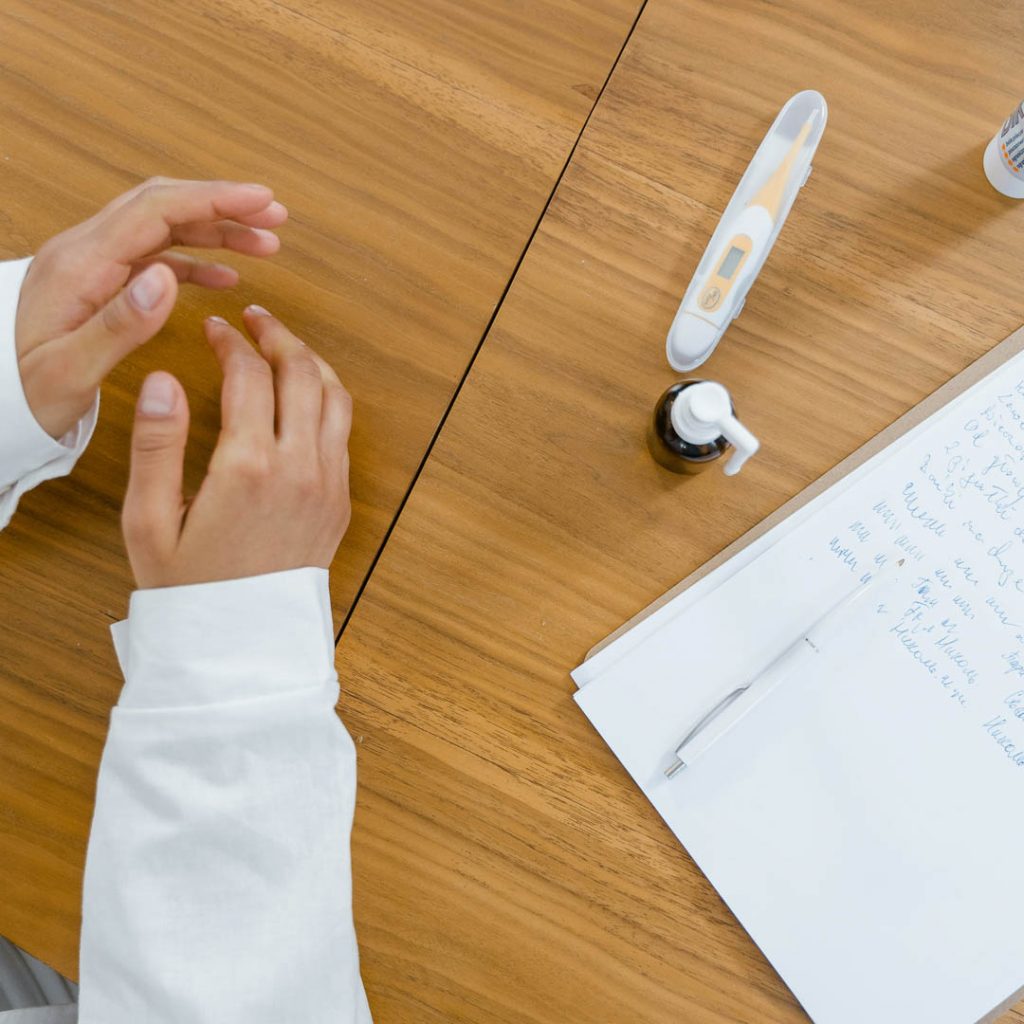
The Role of Blood Work for Men
Male fertility is equally vital. Hormonal imbalances, nutrient deficiencies, or underlying health conditions can affect sperm quality and count. Key tests include:
- Testosterone Levels: Critical for sperm production and overall male reproductive health.
- Vitamin D and Folate: These nutrients play a role in sperm quality and DNA integrity.
- Cholesterol and Cortisol Levels: Indicators of general health that may influence fertility.

How to Prepare for Your Tests
To ensure accurate results:
- Hydrate well the day before testing.
- Avoid strenuous exercise and fast for 12 hours beforehand.
- Schedule your tests early in the morning, ideally before 10:30 AM.
- Pause supplements and herbal remedies as recommended.
Integrating Blood Work into Acupuncture Treatment
Understanding your blood work empowers us to address underlying issues with targeted acupuncture treatments, lifestyle changes, and nutrition. For instance, if stress-related imbalances like elevated prolactin or cortisol are present, acupuncture can help restore balance and calm. If nutrient deficiencies or hormonal irregularities are identified, we’ll create a plan to support your body naturally. I may recommend that you speak with a fertility nutritionist.
Taking the First Step
Whether you’ve been trying to conceive for a while or are just beginning your journey, blood work is a cornerstone of effective fertility care. It helps identify imbalances and provides a roadmap for enhancing your reproductive health—bringing you one step closer to your goal of starting or growing your family.
Send me a email if you’d like to discuss your needs further.
Seed Cycling
Seed Cycling
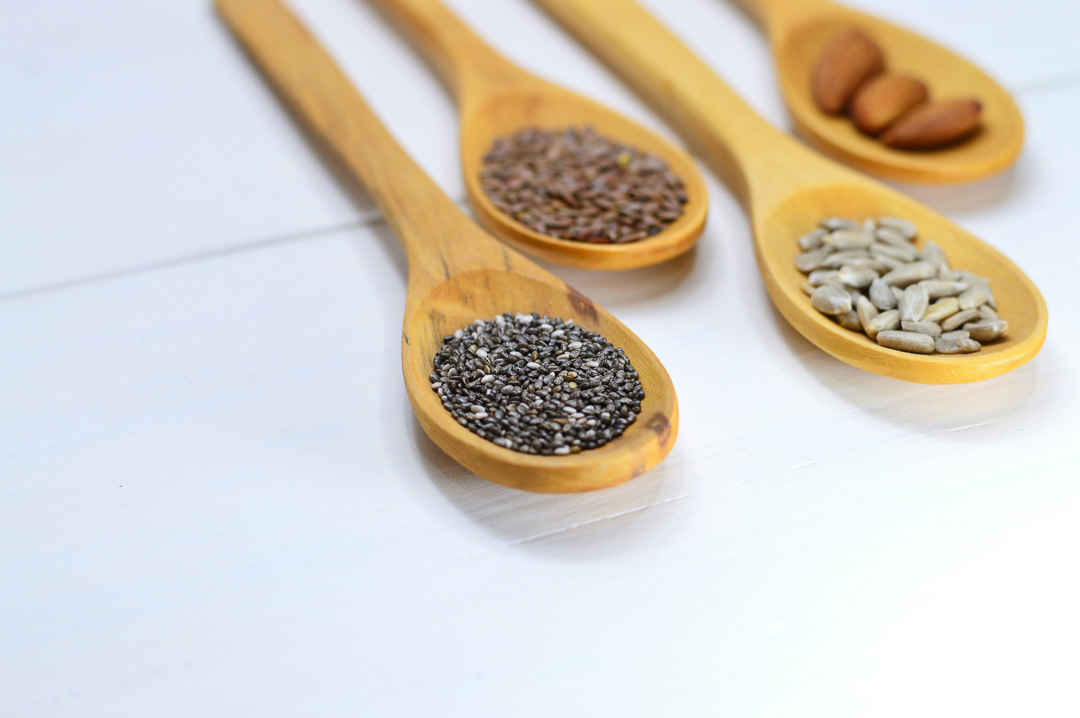
Seed Cycling is a wellness trick that syncs specific seeds with the phases of your menstrual cycle to balance hormones like oestrogen and progesterone. You simply eat certain seeds during the first half of your cycle (the follicular phase) and switch to different seeds in the second half (the luteal phase). No complicated rules, no fancy equipment—just a little sprinkle of goodness each day!
Please note, if you are no longer menstruating seed cycling can still be beneficial. Instead of tracking your periods, you can follow the cycles of the moon and work intuitively with what you feel your body needs. Whilst being a great for support your menstrual cycle and fertility, it may also alleviate PMS and ease menopausal symptoms.
How to Seed Cycle in Two Easy Steps:
1. Follicular Phase (Days 1-14)
This phase starts on the first day of your period and lasts until ovulation. To support oestrogen production and balance, eat:
- 1 tablespoon flaxseeds
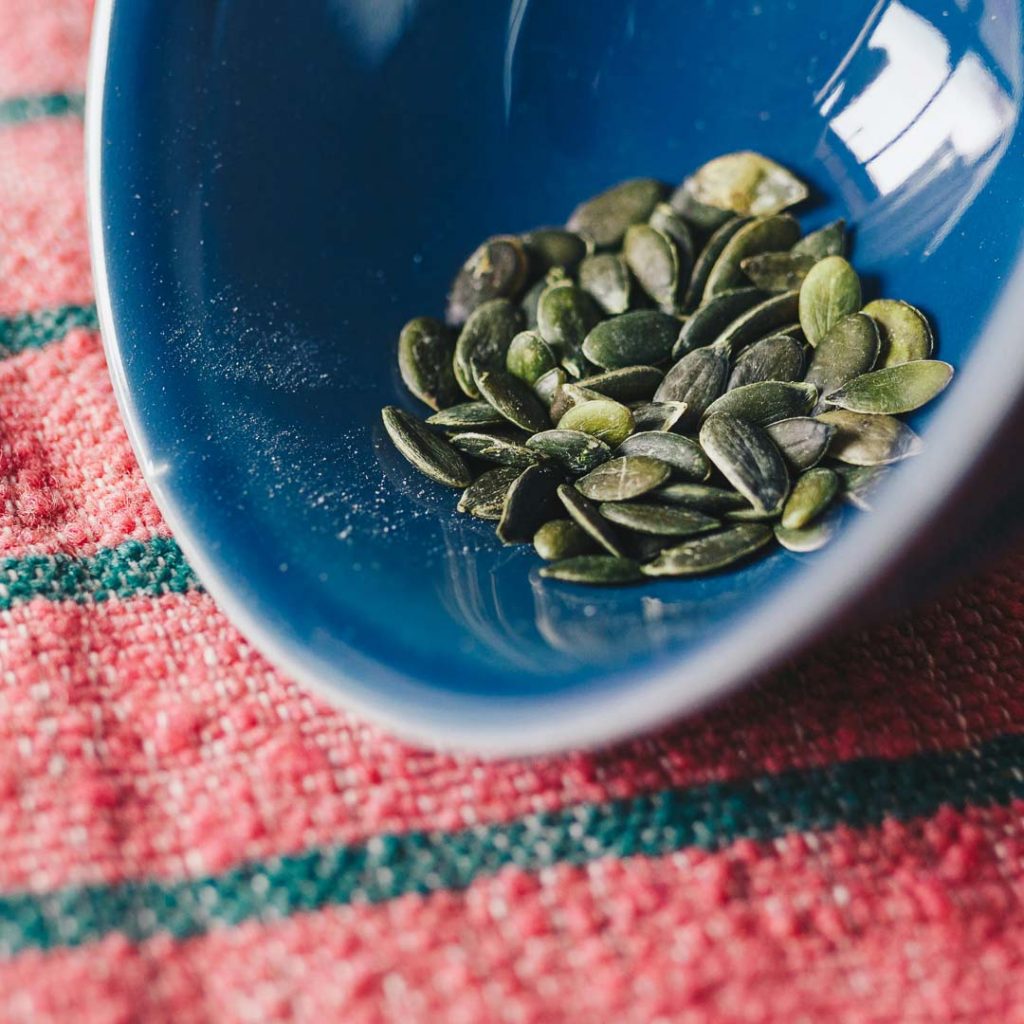
- 1 tablespoon pumpkin seeds
These seeds are packed with phytoestrogens (to balance oestrogen), omega-3, and zinc (to support progesterone production down the line).
2. Luteal Phase (Days 15-28)
After ovulation, your body needs progesterone to keep things running smoothly. Help out by eating:
- 1 tablespoon sesame seeds
- 1 tablespoon sunflower seeds
These seeds are rich in magnesium, zinc, selenium (Vitamin E) and other nutrients to support progesterone levels, hormone metabolism and detoxification.
Not Sure How to Start? Try These Easy Recipes!
If you’re worried seed cycling might feel overwhelming, don’t be. It’s as easy as adding a sprinkle here and there. Check out these simple ideas:
Warm Flax & Pumpkin Seed Porridge (Follicular Phase)
Warm up with a cozy bowl of porridge that’s as good for your hormones as it is for your soul. Just cook some oats with water and a touch of almond milk, stir in your seeds (some like to grind the seeds in a coffee grinder, but I don’t mind eating them as they come), a handful of blueberries and a teaspoon of cinnamon (for their antioxidants), and top with a drizzle of honey or sliced banana. It’s like a hug in a bowl!
Sesame & Sunflower Energy Bites (Luteal Phase)
For a grab-and-go snack, mix ground sesame and sunflower seeds with oats, nut butter, and a touch of honey. Roll them into bite-sized balls, and you’ve got hormone-balancing magic you can snack on anytime.
Why Does It Work?
Seeds are little powerhouses of nutrients like omega-3 and 6, lignans, and zinc, which support healthy oestrogen and progesterone levels. They also help your liver process and detox excess hormones—think of it as a mini spa day for your insides.
Keep It Simple & Have Fun
Seed cycling isn’t about being perfect—it’s about giving your body some love in a simple, natural way. Whether you sprinkle seeds on your oatmeal, blend them into soups, or sneak them into baked goods, you’ll be surprised how easy it is to fit this into your day. Give it a go - your hormones will thank you! 
It might take a couple of months before you notice a real difference, but it may give your natural cycles a fantastic boost. Remember to track your BBT (see blog) to provide you with lots of useful information regarding your menstrual cycle.

The Basics of Basal Body Temperature (BBT) Charting
The Basics of Basal Body Temperature (BBT) Charting: Your Easy Guide to Tracking Your Cycle
Whether you’re trying to conceive (TTC) or if you are wanting to become more familiar with your monthly menstrual cycle and the natural rhythm of your hormones, then recording your Basal Body Temperature (BBT) is first thing I encourage my clients to begin tracking.
Don’t worry—it’s much simpler than it sounds and can provide you with some seriously powerful insights. It might just become your new best friend.
What Is Basal Body Temperature?
BBT is your body’s lowest resting temperature, usually measured first thing in the morning before you even think about hitting the snooze button. Throughout your cycle, your BBT shifts in response to hormonal changes, giving you a unique map of your ovulation pattern.
Why Do We Chart It?
BBT charting helps you:
• Pinpoint ovulation: Know when you’re most fertile.
•. Track cycle trends: Spot irregularities or patterns over time.
•. Support conception efforts: Time intercourse around ovulation for the best chance of success.
•. Understand your body better: Empower yourself with knowledge about your cycle.

What Does It Tell You?
By charting BBT daily, you’ll notice two key phases:
1. Follicular phase (pre-ovulation): Your temperature stays relatively low.
2. Luteal phase (post-ovulation): After ovulation, your BBT rises slightly (thanks to the hormone progesterone) and stays higher until your next period.
If you conceive, that temperature rise sticks around, making BBT charting a handy early pregnancy hint, too.

How to Chart Your BBT (It’s Super Simple!)
Here’s how to get started:
1. Get a thermometer. You can buy a BBT specific thermometer; they’re inexpensive and may be more precise than regular thermometers. However, a standard thermometer is fine, as long as you stick to the same device throughout the month.
2. Pick a consistent time: Set your alarm and take your temperature first thing every morning, before you move, talk, or even think about coffee.
3. Use the same method daily: Oral, vaginal, or rectal—just pick one and stick with it.
4. Record your temp: My clients are given charts to use (email me if you’d like one), use a notebook, or a BBT tracking app to log your daily readings.
5. Watch for patterns: Over time, you’ll notice a slight dip before ovulation followed by a sustained temperature rise.
6. For clients: Bring your results with you each time you see me in clinic.
Pro Tips for Success
• Be consistent: Aim to measure at the same time every morning for the most accurate results.
•. Track other signs: Pair BBT with cervical mucus observations for a fuller fertility picture. My clients are encouraged to record other observations such as PMT symptoms, whether they’ve drunk alcohol, been stressed that day, etc.
•. Be patient: It might take a few months to see clear patterns.
Why It’s Worth It
BBT charting isn’t just for those trying to conceive—it’s a fantastic way to connect with your body and take control of your reproductive health. It’s easy, inexpensive, and incredibly insightful, making it a tool every woman should consider adding to her self-care toolkit.
Ready to give it a go? Grab a thermometer, set your alarm, and start uncovering the secrets of your cycle—one morning at a time!
Reach out to me if you need help deciphering what you uncover.
What is KORE Therapy?
What is KORE Therapy?
KORE Therapy is a comprehensive holistic treatment approach that aims to restore the body's equilibrium and enhance its functionality. If you are grappling with pain, discomfort, or restricted mobility in any part of your body, this treatment is tailored to address and alleviate those issues.
Throughout a typical week, we address a myriad of musculoskeletal concerns, offering services such as postural correction, pain relief, rehabilitation, and performance enhancement.
Often, the presenting symptoms stem from an underlying issue in a different region of the body. The body adapts and compensates for the effects of past injuries or illnesses, which can lead to the development of additional layers of pain and injury. Many times, sustained poor posture and movement patterns over months or years contribute to these symptoms. Through KORE Therapy treatments, we systematically address and peel away these layers of pain, injuries, and illnesses to uncover the root cause of the problem.
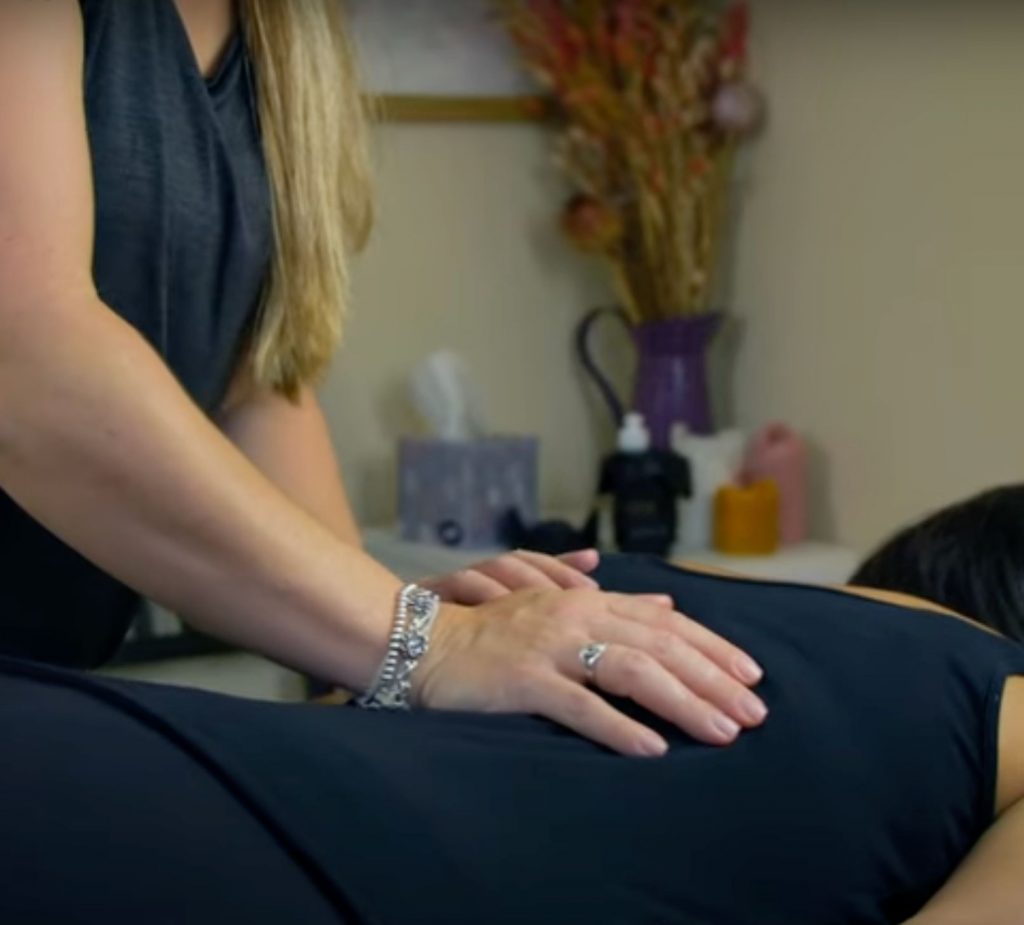
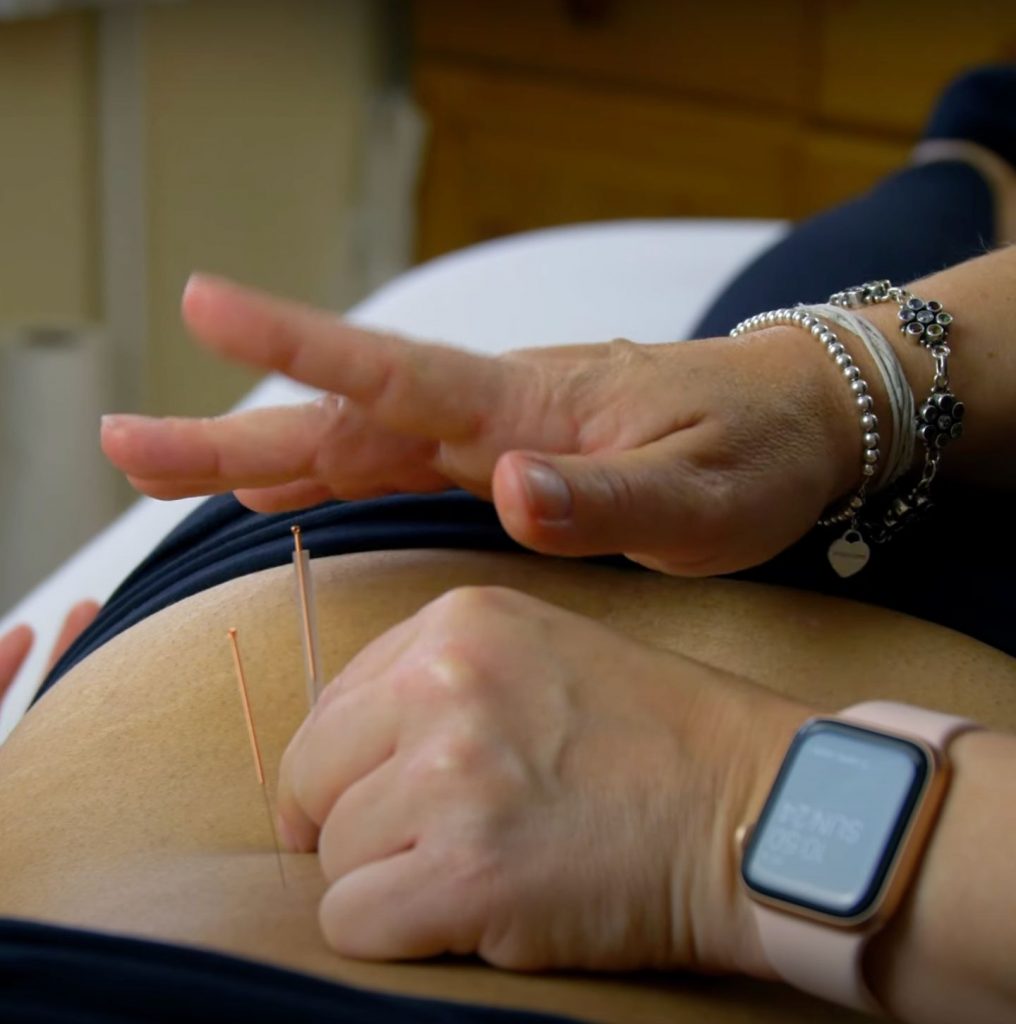
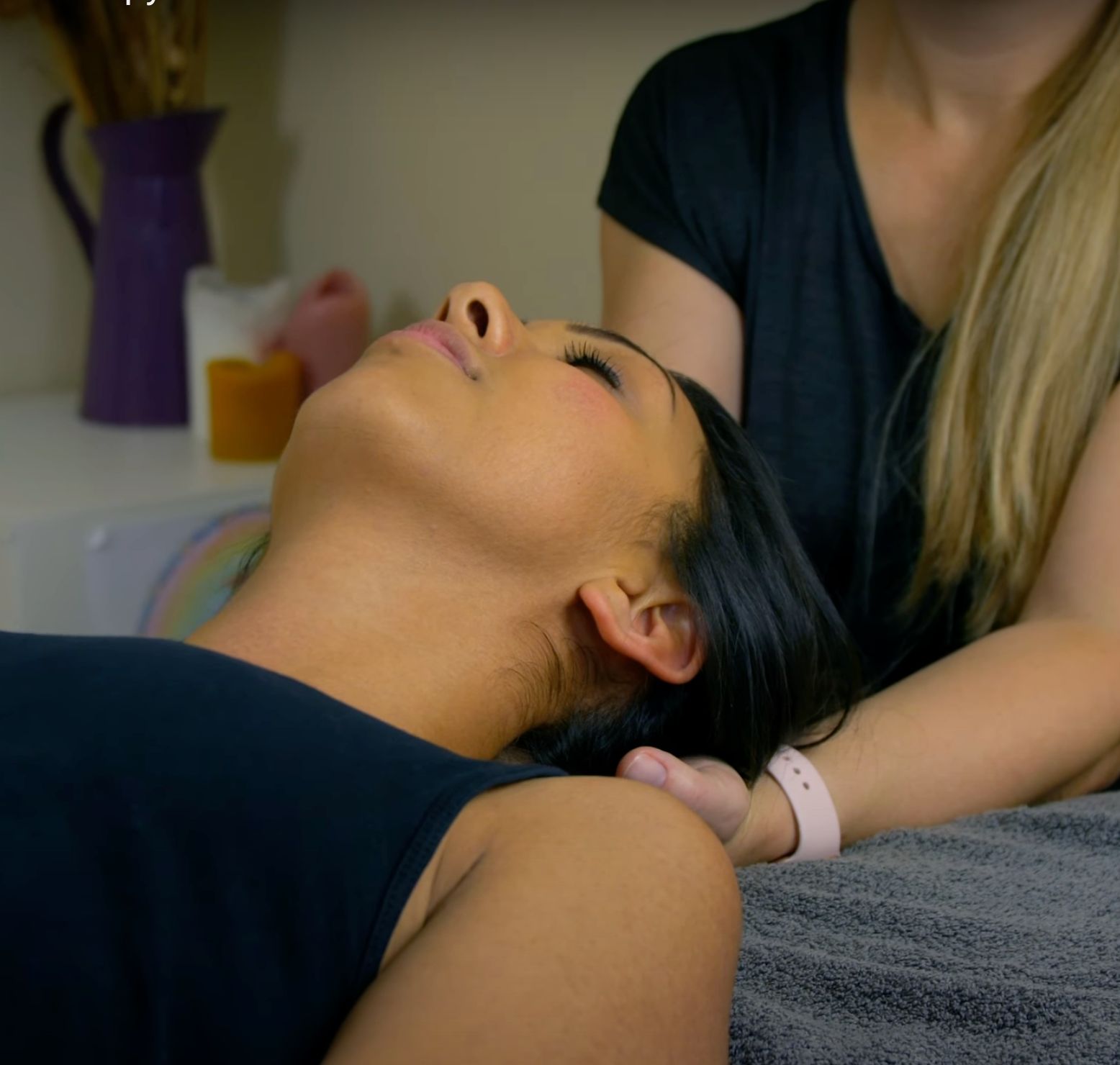
KORE Therapy employs a blend of techniques, including massage, mobilisation, re-patterning, and cranial balancing. When skeletal alignment is off, it indicates imbalances in muscles, ligaments, tendons, and organs. By taking a holistic approach, KORE Therapy focuses on realigning and revitalising the entire body to foster healing, alignment, and improved movement efficiency.
Your body possesses a remarkable ability to restore its own health, and KORE Therapy nurtures and accelerates this natural healing process. Regular treatments can help prevent accumulated stress from manifesting as physical ailments and injuries in the body.
Following a KORE treatment, significant changes may be felt immediately by some individuals, while for others, it may take a few sessions for the transformations to unfold – contingent upon the nature and duration of the initial issue.
The treatment process involves identifying weak or immobile areas in the spine, pelvis, and skull, and utilising gentle methods such as massage, re-patterning techniques, and cranial balancing to restore balance, mobility, and decrease pain levels in the body.
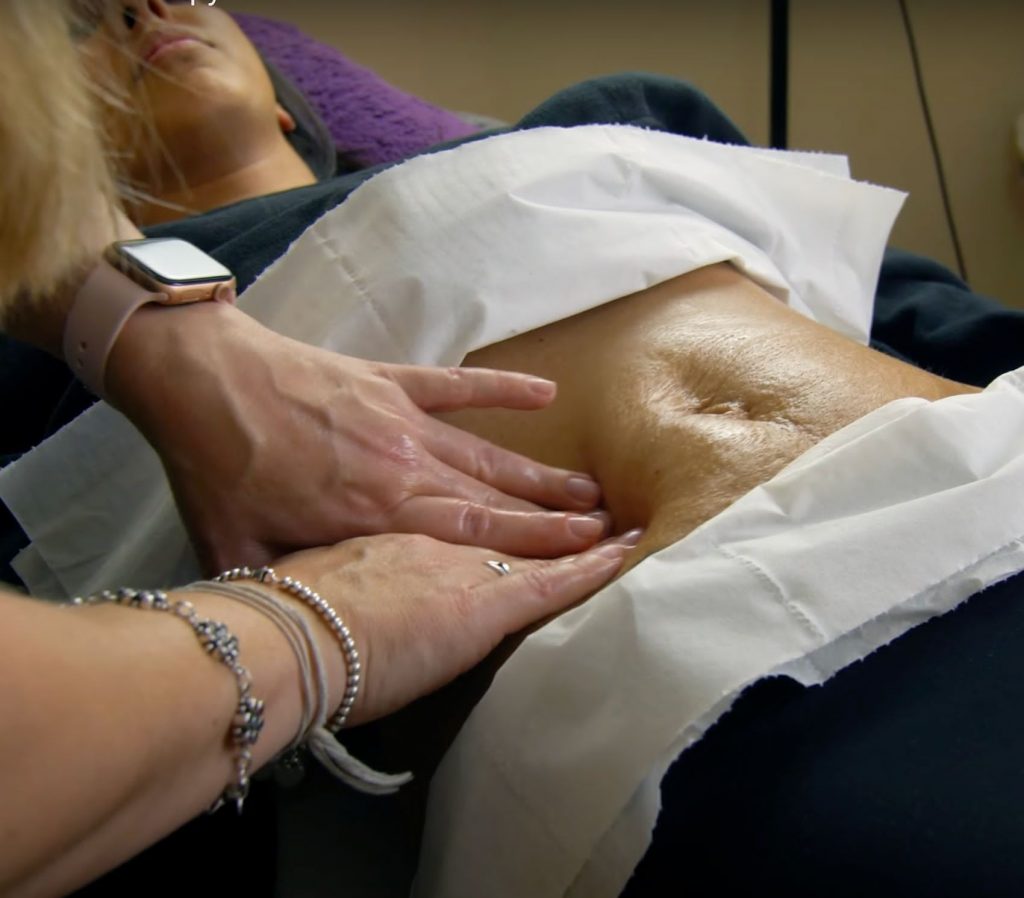
Use the button below to book a FREE KORE Therapy Taster Session in either Gravesend or Rochester, Kent, and find out how we can help you feel and perform at your very best.
Book a FREE KORE Therapy Session

What To Do With Yourself AFTER a Yoga Retreat
Coming back from a yoga retreat really sucks. It is quite normal to have a severe case of the blues and it might continue for a week or two until you fully accept your place back into your reality again.
We miss the safety, the relaxed environment and the loving embrace that being on Retreat gives us.
We miss the luxury of not having to concern ourselves with the mundane - there’s no commuting, no concerning ourselves with what to have for dinner or who’s going to shop or prepare the next meal. There’s even someone to take care of our washing, if we so wish. It is an indulgent week of no responsibilities.
We spend quality time with like-minded souls and share deep conversations; we take more yoga classes than usual and have the chance to explore and challenge our practice. Usually the weather is lovely enough to practice outdoors and we’ve soaked up the sounds and the sites of nature and the natural environment.
So what can we do to alleviate the blues?
1. Keep Practising
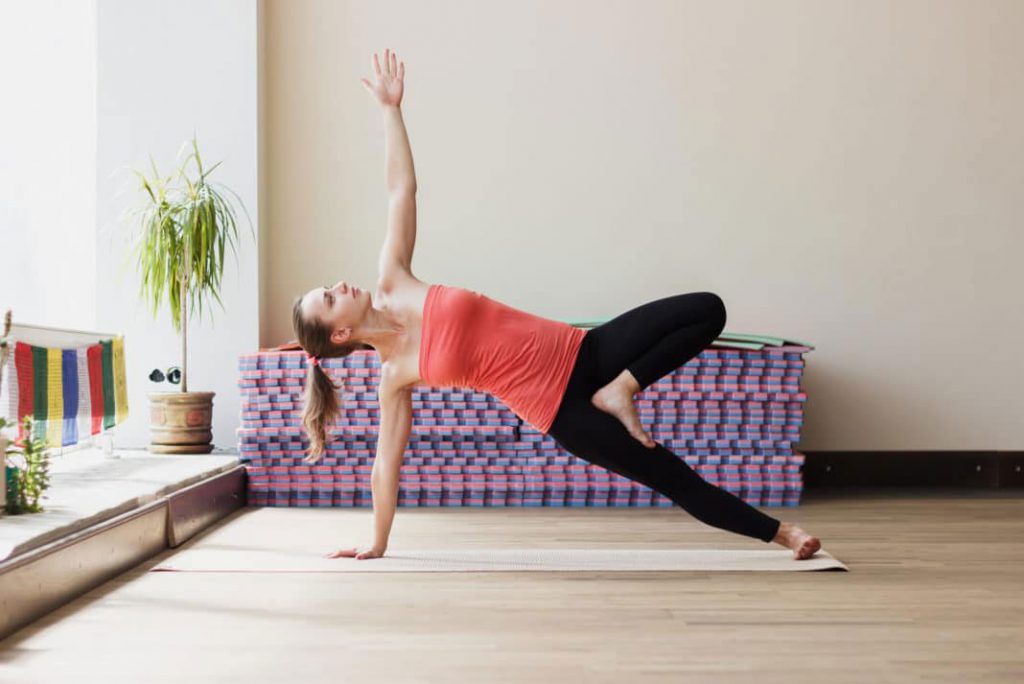
You practised yoga daily while you were away. Now is your job to keep that momentum flowing. Even if you step onto your mat for just 10 minutes of yoga a day, you will absolutely reap the benefits and it will help you to feel more connected to your practice, taking you back to all those wonderful classes you enjoyed while you were on your retreat.
2. Eat really well
You probably consumed a very healthy diet whilst you were on retreat. Do your best to maintain this standard - avoid sugar, avoid alcohol and keep those healthy vibes going strong.

3. Get plenty of sleep
Go to bed early. Read a book. Meditate. Give yourself a chance to rest so that you can absorb and process the feelings and thoughts you might be having upon your return home.

4. Stay in touch
You probably made some superb friends whilst you were on retreat. Try to maintain those relationships by getting a date in the diary when you can see each other again. Stay connected on social media platforms or find other ways to keep the vibe going for as long as possible.
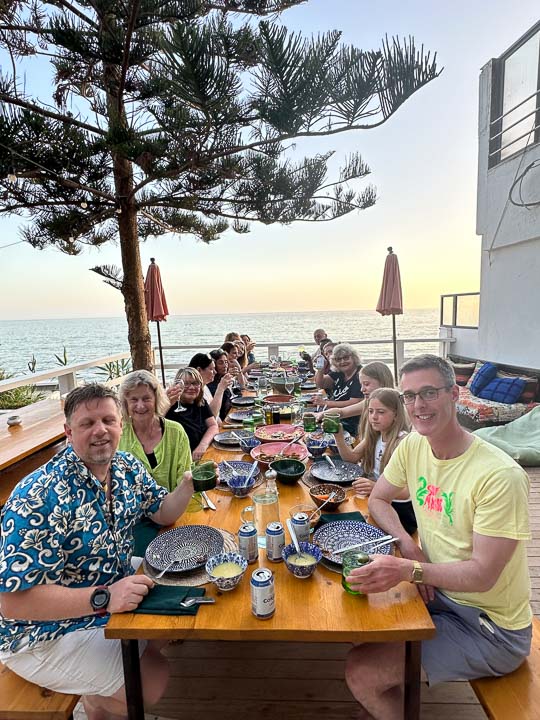
5. Plan, book or start saving for your next retreat!
Give yourself something to look forward to. It will make all the difference.


5 Reasons To Go On A Yoga Retreat
You may be a seasoned retreater or a yoga retreat may be something you’ve dreamed of doing but have never quite had the courage to book yourself a space, YET.
There’s nothing quite as magical as time spent away on retreat. A chance to completely unwind, to shed all those responsibilities and to be energetically held within the nourishing bubble of time spent away from everything, whilst diving deeper into your yoga practice.
I have been successfully running yoga retreats abroad and in the UK since 2018 and they are honestly the highlight of my year. The anticipation, the excitement and the fulfilment they offer is unsurpassed - it is an absolute joy to facilitate these events.
Here’s my take on some of the highlights of retreating based on the countless positive feedback I have received. I urge you to get yourself booked on one now, as you will not regret it.
1. EXPLORE YOUR YOGA PRACTICE
While away on retreat, whether that be a weekend or a week, dedicated time spent on explorative yoga practices while alongside other like-minded individuals is an ideal opportunity to deepen and improve your yoga practice, completely immersing yourself within its absorbing and nourishing energy. There’s nothing quite the same as dropping into this deeper level of practice and allowing it to suffuse into your very bones.
There are a number of reasons for choosing a particular retreat, one of which may be a particular focus for the stay. You can find retreats that specifically look to deepen areas of your yoga practice such as mindfulness or meditation, or perhaps are a journey towards a particular pose such as Handstands. When deciding to go on these types of retreat, ensure you know your instructor well or that they come well recommended, and have faith that they can guide you on this journey. Do remember, there is never a final end goal - yoga has no finish point; it will continue to evolve as you grow, improve and deepen your practice. A retreat is the perfect opportunity to do just that.
Besides, Yoga is so much more than whether you’re able to nail a perfect Pincha Mayurasana after a week’s intensive and whilst that may be a very reasonable practice goal for you, please don't be disappointed if you’ve not quite reached this target by the end of your stay.

Quite often, I take groups away on retreat who have very different interests, abilities and preferences. You never know who you might have sign up! Before we depart I gather information on preferences, strengths and areas they particularly wish to work on. Often this will inform how I structure classes and/or the retreat as a whole so that everyone’s needs are met. Keeping it general means that I can adapt my classes according to everyone’s mood and energy - I want my participants to feel safe, held, energised, heard and above all nourished.
2. MEET AND MAKE LIKE-MINDED FRIENDS
You may decide to come on retreat with your bestie, or a family member. This is perfect as the majority of retreat venues offer shared room accommodation, so if you know someone that will make room arrangements much easier to organise. If you’re travelling solo, do expect to share a room unless you’ve paid for a single-room supplement. The advantage of this is that you will likely buddy-up with your room-mate and friendship often blossoms. In fact, by the end of my week-long retreats away, everyone knows each other so well that many long-term friendships have been born. It’s really quite special. Not only are you exploring your yoga practices together, but also a new culture, city or country. Making memories is food for the soul.
Personally, I love to travel solo and have been doing so for years. The beauty of booking a retreat for yourself by yourself is that you can very much continue with your solo adventure, whilst in the security of being within a group setting. In my pre-retreat guest guidance, I remind everyone that they don’t have to get involved in every group activity going and that they have the freedom to say no, to spend time on their own, if that’s what they feel they need.

Sometimes there’s nothing better than curling up with a good book, or going off to a walk on my own. As a busy mum of 3, I need that solitary time and that’s why I book these kind of stays for myself. But I also love to be around vibrant people, learning about their histories and personalities, and plenty of my retreat guests love the idea that they can form part of a group, make new friends and share the experience of yoga, travel and adventure - it is such a fantastic opportunity.
3. EXPLORE NEW PLACES
When I first started planning my retreat offerings, I knew that adventure was what I was looking for. I wanted to see more of the world. So far, I have offered retreats in Morocco, Sri Lanka and soon, Greece. These retreats are not just a chance to practice yoga daily; they are an opportunity to explore new places, learn about a different culture and eat superb local cuisine. I actively encourage my guests to get out and about, take excursions, go on hikes, see local monuments. We are there to support the local tourist industry after all and goodness knows, after the past few years, these communities certainly need all the help they can get.
As well as surf lessons which is an integral part of the trip, while we are in Morocco, we visit a local Argan Oil factory which is run by a women’s cooperative, where we are shown around the garden and taught about the wonderful plants and how they are harvested, before sampling the organic products for ourselves. I get to stock up on the gorgeous rose scented facial oil I use in my cosmetic facial acupuncture treatments back home too. We also get to demonstrate our haggling skills in the local Souk market and honestly, it’s the best fun. It’s a good idea to leave room in your case for shopping - one year I came home with a beautiful hand-woven blanket; it covers my 3-seater sofa!

In Morocco we stay in a small fishing village - there’s winding streets and colourfully painted buildings.
In Sri Lanka, there’s whale-watching, Buddhist temples, safari parks and tea plantations, as well as a wealth of history and culture to whet your appetite. And the best thing is that you can do as much or as little of it as you like. There’s always time to chill on a sun lounger if that’s your thing too and the beach is stunning with crystal clear warm water, surfing and coconut juice freshly prepared while you wait.
4. RELAXATION & PEACE OF MIND
The yoga schedule on retreat is quite simple - I like to offer an early morning meditation followed by vinyasa flow practice before breakfast and then an early evening slow, Yin-style practice before dinner. What happens in between is entirely up to you and you can do as much or as little as you wish.
For those who like to keep active, there’s plenty to do. For example, in Morocco we schedule two days of surf lessons with fully-qualified instructors. We take excursions and go explore. There’s the opportunity to visit the beauty salon and take a massage. We have a movie night and a BBQ party.
In Sri Lanka, my personal highlight is visiting my friend Patham in his little beach hut for quite simply the best holistic massage in the world. Imagine being immersed in total relaxation and listening to the sound of the waves as you lie literally meters from the shore. It’s worth the trip just for that.
If a complete escape and total seclusion is what you’re after, then my luxury retreat to Greece is the destination for you. Here we are situated on the island of Lefkada, high in the southern hills overlooking the most glorious panoramic views of the sea and the surrounding islands. Of course there’s plenty to do in the local area, but if tranquility, peacefulness and space is what you require, then this is your retreat. Here we are held in the soothing energies of Ourania and her amazing food, all vegetarian or vegan. Jason, her son, makes sure our stay runs smoothly and it is their passion and dedication that makes this retreat exceptional. This allows us to totally relax and completely unwind.
All in all, taking it easy, practicing yoga and then spending time doing not much else is what’s on your agenda, then that’s exactly what you need to do and make no apologies for it. You must take what you need from your retreat and I am here to facilitate that as best that I can.
4. CONNECT WITH NATURE
There’s nothing quite like waking up to the sound of the ocean. So far, my retreats have all been beach-side and I make no apologies for that. I love to be by the sea. Often, I’ll get up before sunrise to watch the fishermen returning with their catch, to breathe in the salty sea air and go for a swim or a walk along the beach. It’s magical. It feeds my soul and that of my guests.
In Sri Lanka, our yoga shala is surrounded by tall trees in which the monkeys play as they watch us practice. They are quite cheeky, chatty animals, especially the little babies which cling to their mother’s body. They watch us and we watch them - its lots of fun. At night time, once the monkeys have gone to bed, the trees are full of fireflies.

I wasn’t prepared for how stunning this sight was. It gets very dark quite early in Sri Lanka and when the stars come out with the little light pollution that there is, the nighttime is perfect for sitting near the ocean and taking time to breathe it all in. Mostly it is the simple things that bring the most pleasure.
And so there you have it.
A selection of reasons among many to take a yoga retreat. It is a magical experience and one not to be missed. If you would like more details about the retreats that I offer, visit here or send me an email here to enquire about spaces on forthcoming trips. I can’t wait to retreat with you.
Slowvember
The big chill is upon us.
It’s here whether we like it or not.
And as the world begins to freeze, we are invited to turn inwards. To slow down and focus on welcoming in soothing experiences, creating moments of calm, and allowing space for the appreciation of small things.
This is the time of year we are called to be gentle with ourselves. To be more mindful in the face of the fierce consumerism that marks the end of the western calendar year. To be vigilant in caring for ourselves and protecting our energies from the dwindling daylight and fiercely cold, dark winter.
This is how it is meant to be. A cycle of life and death, light and dark, fast and slow, yang and yin. An ever-changing seasonal shift as we ebb and flow with the tides of the sun and moon and the cosmic wonders that lie beyond. Humans have lived this way for millennia - following the changing sky and signals of Mother Earth’s many creatures and lifeforms to live in union with the natural way.
But over the last hundred years or so things have… changed.
After the onset of the Industrial Revolution we’ve quickly lost touch with our natural ebb and flow in favour of shiny consumerism and capitalism. As our drive to consume more and more has increased, our connection to ourselves, the planet and our cyclic nature has diminished. We are walking upon an Earth that is desperately calling out for us to listen, but we are distracted by gadgets, flashing lights and the next exciting new thing. We have become enveloped by yang and have forgotten there is balance to receive. We have lost site of our yin.
Never fear.
Yoga is here.
We can use the techniques of Yoga and mindfulness to begin to tap back into our natural power as land keepers of the Earth and find a new sense of connection with the ancient and cyclic wisdom that she can provide us.
To place our hands, hearts and eardrums back against the beating heart of Mother Earth and feel her energy guiding us.
To begin to slow right down, as the rest of the planet does the same, and honour the energetic shift towards winter that anchors us in the present moment.
Yoga is an ancient philosophical path developed over 6000 years ago - more if you look closely at evidence in the ancient worlds for a practice that looks a lot like Yoga and meditation - and so carries the force of something that has survived the test of time in order to provide us with a practice so immensely nourishing that it’s hardly changed in all that time.
The ancient Yogis and Tibetan monks practiced different forms of mindfulness and meditation in order to commune in union with the divine, with the bodymindbreathspirit alchemising as one. In order to find this place of great union, they would sit and meditate for a good portion of their lives in honour of the sanctity of stillness and the wisdom of silence.
It’s not my belief that you, as a householder and modern person, need to sit and meditate for years in the Himalayan mountains in order to honour stillness. However - 20 minutes a day would be a good place to start. If you can’t find that time in your day, maybe something else needs to go. There is an old Zen saying, “You should sit in meditation for 20 minutes a day. Unless you’re too busy - in which case you should sit for an hour.”
I’m mostly kidding, but you get the point. Nobody is too busy to meditate - chronic business is the sickness of our consumer society. Slow down, take a minute and sit in stillness. See what comes up for you. Journal your thoughts.
If traditional meditation really feels like it really might be a bit too much right now? You can find slowness and mindful moments all through your day. Try mindful cooking, walking, breath work, swimming, painting, sound bath, tai chi, qi gong, yoga, ecstatic dance… you get the picture. Find your own heartbeat, your own rhythm of slowness and what nourishes your soul. Mindfulness can be found in the everyday - if we simply slow down and pay attention to ourselves.
So as we turn into the winter months, let this be your invitation.
Feel the natural energy shift as the Earth begins to settle down for a winters nap.
Feel the shift in your body as your natural urge to DO DO DO softens and slows down.
Feel the cold, notice the darkness and let it help you turn inwards to nurture and nourish yourself.
Be present with what is.

Cool Girl Summer
Summer has arrived and is here to stay.
We’ve had a couple of sizzlers recently, and along with the beautiful sunshine comes a fresh feeling of peaceful contentment that can only indicate summer. Even though summer doesn't technically start until the Solstice on June 21, the bright blue skies and scorching temperatures certainly indicate that summer has arrived and is here to stay.
Within the realm of Ayurveda, Yoga’s sister life science, Summer is known as the season of Pitta - the third dosha or constitutional makeup governs the element of fire. Summer for somebody with a Pitta-dominated constitution is like sprinkling cayenne pepper on a campfire (or dumping gasoline on said campfire). Fire is powerful: it spreads, it rages, it consumes. It gives light and can be warming, but can also burn things down. It can give rise to ambition and transformation, but also anger. Passionate and hot-tempered, a Pitta dominated constitution can be inflamed during a hot summer. Yet no matter what your primary constitution is, our contemporary modern society is very much dominated by Pitta qualities. On a daily basis we are driven to push for success and achievement, often leaving us chronically stressed and suffering with busyness or burnout.
Other alternative medicines and holistic systems, such as TCM, can also provide insight and wisdom on navigating the strong summer months. The first portion of summer within the TCM world is governed by the heart energy - essentially leading us into feeling joyful, open, loving and compassionate. However an over-abundance of summer energy can also lead to anger, annoyance, frustration and a feeling of burning the candle from both ends. Within the world of TCM summer is also governed by the element of fire, holding inside of it the power to give light, and to illuminate our inner being as well as our external world. Summer carries with it the feeling of ‘yang’ - the energy associated with doing, achieving, moving, transforming and exerting and can be a time of grand possibilities. This energy is also associated with the sun and therefore creates a new space for us to lean into with longer daylight hours to enjoy. As gorgeous as the summer is - we all love summer sunshine - we can easily become overheated, frustrated and stressed out as the days get hotter and longer unless we learn how to balance the energy of the season.
Luckily, though the wisdom of Ayurveda, TCM and Yoga, we can create more harmony and balance in our lives by understanding how these energies operate within us. We are always working in relationship to and being governed by the movement of our surroundings and the rhythms of nature, no matter how disconnected we may seem from the natural world.
Trust your intuition. The heart rules understanding and intelligence, but not of the cerebral type. When we know something in our heart, we are connected to a deeper part of our being. Try to engage in this deeper knowing, and take the time to listen to your inner voice.
Eat cooling foods, and eat slowly. Enjoy the flavours of the vegetables and fruits in their season and try to get plenty of cooling foods in. The colour associated with summer is red and the taste of the season is bitter, so it is advised to enjoy foods such as watermelon, cucumber, coconut, berries, kale and lime.
Drink lots of pure, fresh water. The sun pulls the moisture from your pores, so it is important that you rehydrate to keep skin healthy and glowing. Drink eight to ten glasses of water a day if possible. Add coconut water for a super-rehydration and electrolyte balance after exercise.
Move Your Body. A healthy heart needs regular exercise to keep the circulatory and vascular systems in good nick. Get some good cardio exercise every day if possible and try to build a sweat routine, which helps to cleanse toxins from the body. Hot Yoga is amazing for this. Depending on your level of fitness, make your workout fit in. If you are out of shape, begin slowly by walking daily. Try to walk fast enough to just break a bit of a sweat, but don’t overdo it. The heart is more vulnerable in the summer, so build your exercise routine gradually.
Awaken. Waking up earlier in the morning and going to bed later may feel pretty natural during the summer. The body will naturally have more energy across these longer daylight hours as we thrive in the fresh supply of vitamin D. Rest at midday where possible, when the sun is the hottest, to improve digestion and allow restoration time.
Cool it down. Pranayama techniques such as Nadi Shodana (balancing breath) and Chandra Bhedana (moon piercing breath) can be extremely effective in reducing stress and inflammation in the body and mind during the warm months. Within ancient Ayurveda the left side of the body is energetically associated with the moon (Chandra) and this has a cooling ‘yin’ effect on our composition. Breathing through the left nostril only has a deeply calming effect on the body and mind, connecting us with the Yin energy and relieving stress and tension.
Yin Yoga. Stretching, calming and soothing the body with some gentle Yin Yoga can be a marvellous antidote to summer burnout. Heart openers like Puppy Pose, Seal Pose and Sphinx are wonderfully supportive to healthy heart chi whilst twists like thread-the-needle and Twisted Tadpole help to open the associated meridians on the chest and down the inner arms. Bliss!
Summer Yin
With the arrival of June, we transition slowly into summer
despite what the rain last week would have us think! Along with the sunshine comes a feeling of emergence and vitality as we unfurl our petals into the energetic peak of the year. Daylight hours are at their longest and evenings carry with them a deep sense of contentment as we settle into the comfortable warmth with ease.
After the year we have had, Yin yoga is the perfect complementary practice to a brand-new busy summer social calendar - really helping to restore and balance our more extroverted energies by encouraging us to settle and gaze inwards, towards stillness, as a counteractive force to the late nights, long days, and balmy wanderlust that summer carries.
According to traditional Chinese medicine (TCM), the season of summer is associated with the element of Fire, which carries with it a great sense of heat, creativity and transformation - and also the organs of the heart and small intestine.
The heart is considered to be the “king” of the organs within the world of TCM - for the role it plays in the circulation of our blood, plus holding space and leadership all other organs in our system. It also plays a crucial role in our emotional and spiritual health, being seen as the gateway between the physical and spiritual worlds - governing our ability to love, grow and feel compassion for ourselves and others.
“When heart chi is healthy, we feel warm, nourished, and nourishing, able to contact innate joy, inner peace, and harmony, and able to build healthy relationships.” – Sarah Powers
The small intestine is responsible for releasing that which we don’t need - in terms of physical, emotional and spiritual matter - helping to purify the bodily systems. It receives processed matter from the stomach and sets aside any necessary nutrients and vitamins, releasing anything un-needed down the chain to the large intestine to be eliminated.
Within the wide world of TCM, the organs of the body are thought to play a bigger part than their anatomical functions and are each individually thought to carry bespoke energetic qualities. The flow of life force, or energy/chi/prana, through the heart channels or meridians is associated with a feeling of joy, compassion and enthusiasm for life, and finding the balance between vulnerability and resilience with ease. There is genuine warmth, love and joy in our interactions with ourselves and with others, plus a relaxed and satisfied ease-fulness for life.
However, with the heat of summer comes the possibility of energetic over-heating, over-socialising and over-stimulation. As the energy of the year comes to a peak, our own energies begin to lift - potentially leaving us at a risk of feeling burnt out. This possibility is more real than ever this year - after a whole year of forced retreat during the global lockdowns the want to over socialise can be hugely tempting. However protecting your own energy, learning your burnout warning signs and when/how to say no is a brilliant skill to build. Although it might seem anti-social or closed off to do so, saying no when the energy needs to be protected is incredibly beneficial to the nourishment of the heart chi. Remembering to nourish ourselves first, before extending that favour to anybody else, is self-care 101 - and as Yogis we can’t serve the world if we’re burnt out and depleted.
As summer comes into fruition we can find a balance in our heart and small intestine energies by nourishing the meridian channels. Cultivating a gentle Yin yoga practice can be helpful in supporting the heart energy by cooling and opening the body to encourage a freer flow of chi through the meridians. In nourishing our heart energy we cultivate a feeling of contentment, peacefulness and compassion for ourselves and for others in our lives. Grounding into the body with some Yin yoga, breath and meditation can be incredibly helpful in restoring and protecting energy reserves during these more outward facing months.
Below I have listed a handful of poses to help in nourishing the heart energy as summer rolls in, let me know how you get on in the comments below!


Previous
Next